
The Trump Administration has approved a 60-day suspension of the Jones Act, aiming to ease pressure on fuel prices and stabilize supply chains disrupted by escalating tensions involving Iran.
The century-old law typically requires that goods transported between U.S. ports travel on ships that are American-built, owned, and crewed. By temporarily lifting these restrictions, the administration is allowing foreign vessels to move key resources—including oil, natural gas, fertilizer, and coal—between domestic ports, expanding shipping capacity and improving delivery speed.
White House press secretary Karoline Leavitt said in a statement on X: “President Trump’s decision to issue a 60-day Jones Act waiver is just another step to mitigate the short-term disruptions to the oil market as the U.S. military continues meeting the objectives of Operation Epic Fury. This action will allow vital resources like oil, natural gas, fertilizer, and coal to flow freely to U.S. ports for sixty days, and the Administration remains committed to continuing to strengthen our critical supply chains.”
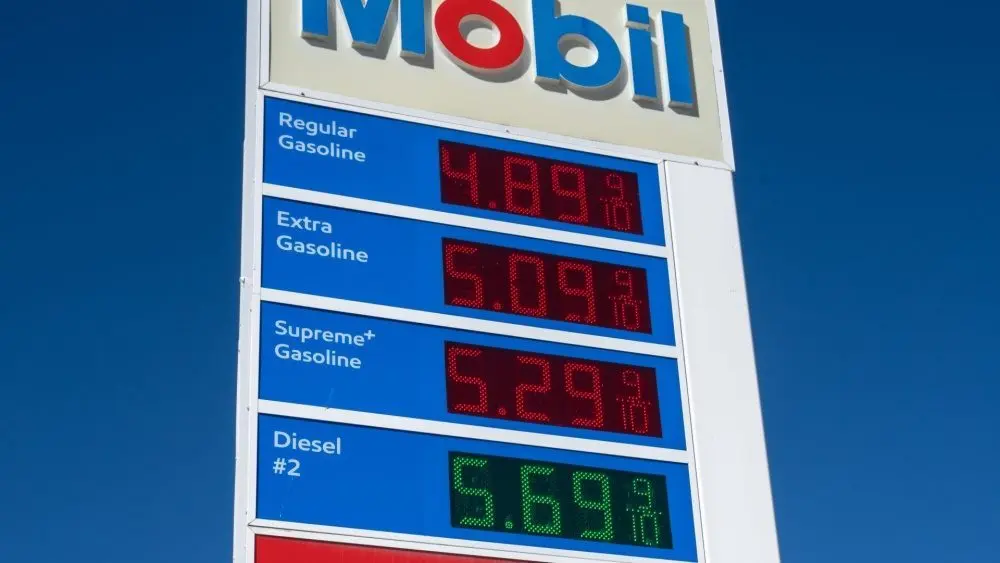
The policy shift comes as energy prices surge sharply. Since late February, gasoline prices have climbed to an average of $3.84 per gallon, while diesel has exceeded $5.00—significant increases from both a month ago and the previous year. Analysts attribute much of the spike to conflict-related disruptions, particularly in the Strait of Hormuz, a critical transit route handling roughly 20% of global oil shipments. Restrictions in that region have tightened supply and rattled markets worldwide.
The waiver also addresses strain on fertilizer availability, an issue with direct consequences for U.S. agriculture. By opening access to more ships, suppliers can move goods more efficiently along the coasts. However, experts caution that the impact on prices may be limited. Estimates suggest the change could lower fuel costs by only a few cents per gallon. Some industry voices, including maritime advocacy groups, have raised concerns that the temporary exemption could disadvantage U.S. shipping companies and workers if overused.
Additional measures are also being deployed to manage the economic fallout, including tapping emergency oil reserves and easing certain sanctions—such as allowing U.S. firms to engage with Venezuela’s state-run energy sector.
Editorial credit: Kyle Lee / Shutterstock.com